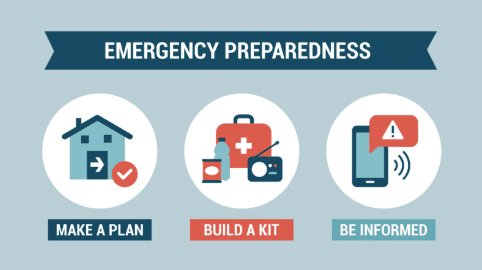
Here are the essential items to include:
- Water: At least one gallon per person per day for three days.
- Food: Non-perishable items to last at least three days.
- First Aid Kit: Include bandages, antiseptics, medications, and any personal prescriptions.
- Tools and Supplies: Flashlight, batteries, multi-tool, whistle, manual can opener, and local maps.
- Clothing and Bedding: Warm clothing, sturdy shoes, blankets, and sleeping bags.
- Sanitation: Moist towelettes, garbage bags, and plastic ties for personal sanitation.
- Important Documents: Copies of identification, insurance policies, and bank account records.
- Electronics: A fully charged power bank and a battery-powered or hand-crank radio.
- Personal Items: Baby supplies, pet food, and other specific needs for family members.
Regularly check and update your kit to ensure everything is in working order and within expiration dates. Being prepared can make all the difference in an emergency. Having an emergency preparedness kit is crucial for ensuring your safety during unexpected events.
More information can be found at the following links:
https://www.weather.gov/owlie/emergencysupplieskit